Mainline denominations are charting a new course — and this time, younger clergy are leading
A generational shift inside the UMC, ELCA, and PCUSA is redefining what it means to lead a congregation in a post-Christian America.
Faith. Justice. Purpose.
Curated news, theology, and analysis from the leading voices in progressive Christianity, LGBTQIA+ faith, and social justice movements.
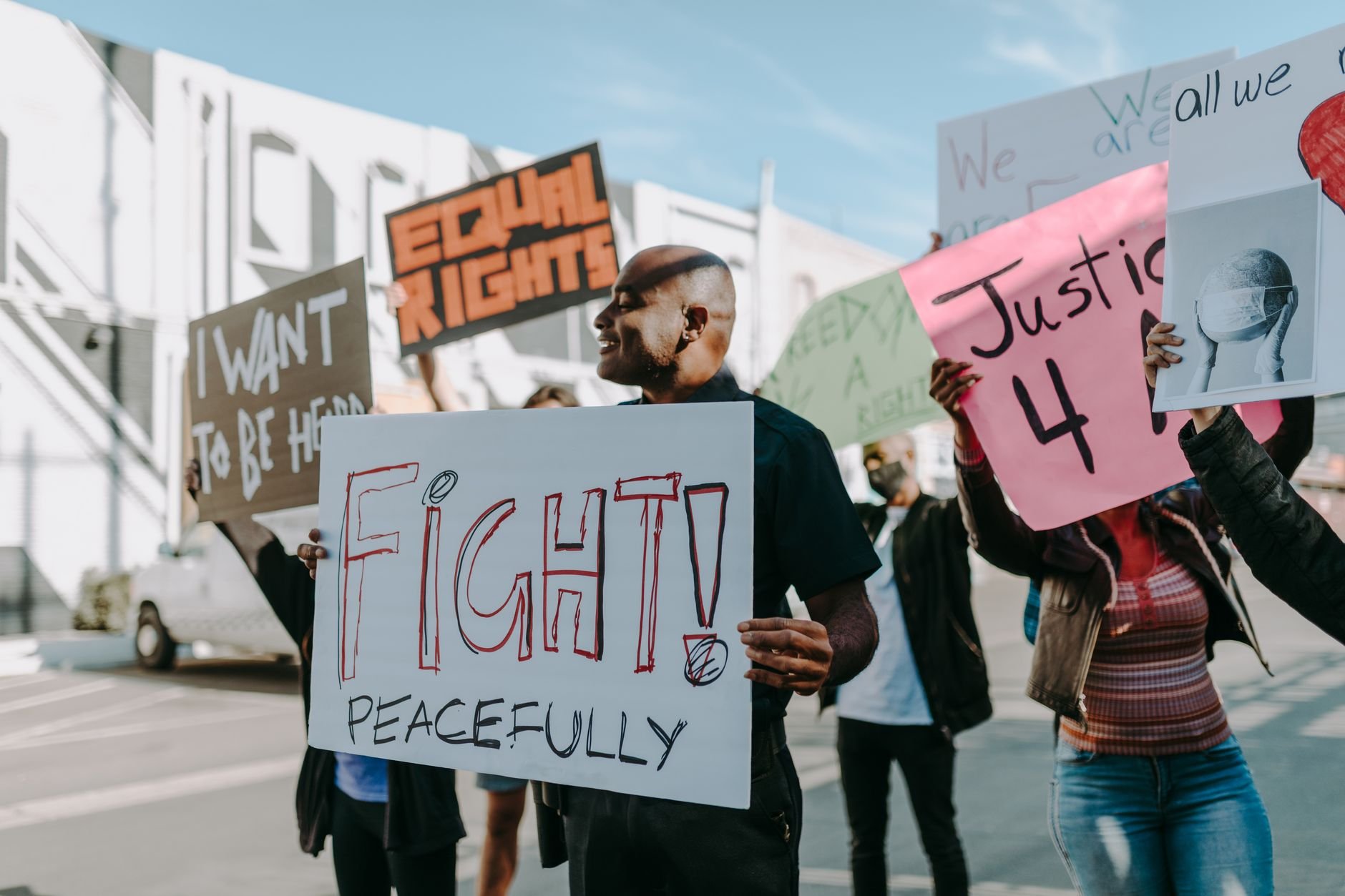
Telos was built for readers who refuse to separate their faith from their politics — who believe that the arc of the moral universe bends toward justice, and who need rigorous, theologically grounded journalism to help them act.
The progressive faith world is vast and vital: from mainline denominations navigating historic splits, to queer theologians rewriting the tradition, to faith-based organizers leading the fight for racial and economic justice. Yet no single publication has covered it all — until now.
"The intersection of progressive faith, justice, and civic life — covered with the seriousness it deserves."
Every day, Telos curates the most important news, analysis, and theological scholarship from over 300 credible sources — organizing it into 24 topic channels so you spend less time searching and more time thinking.
A generational shift inside the UMC, ELCA, and PCUSA is redefining what it means to lead a congregation in a post-Christian America.
From affirmation to ordination, a new generation of LGBTQIA+ leaders is reshaping sacramental theology from the ground up.
As Cone's foundational texts see renewed study, scholars ask how his framework speaks to today's racial justice moment.
Via Christian CenturyInside the well-funded litigation effort redefining church-state separation for a new constitutional era.
Via SojournersHow womanist scholars are challenging white feminism, patriarchy, and the boundaries of the theological canon simultaneously.
Via Theology TodayThree pending cases carry implications for LGBTQ+ rights, public accommodations, and the future of pluralism in American law.
Via National Catholic ReporterRigorous journalism, theological depth, and radical inclusion — because the progressive faith community deserves a publication that takes all three seriously.
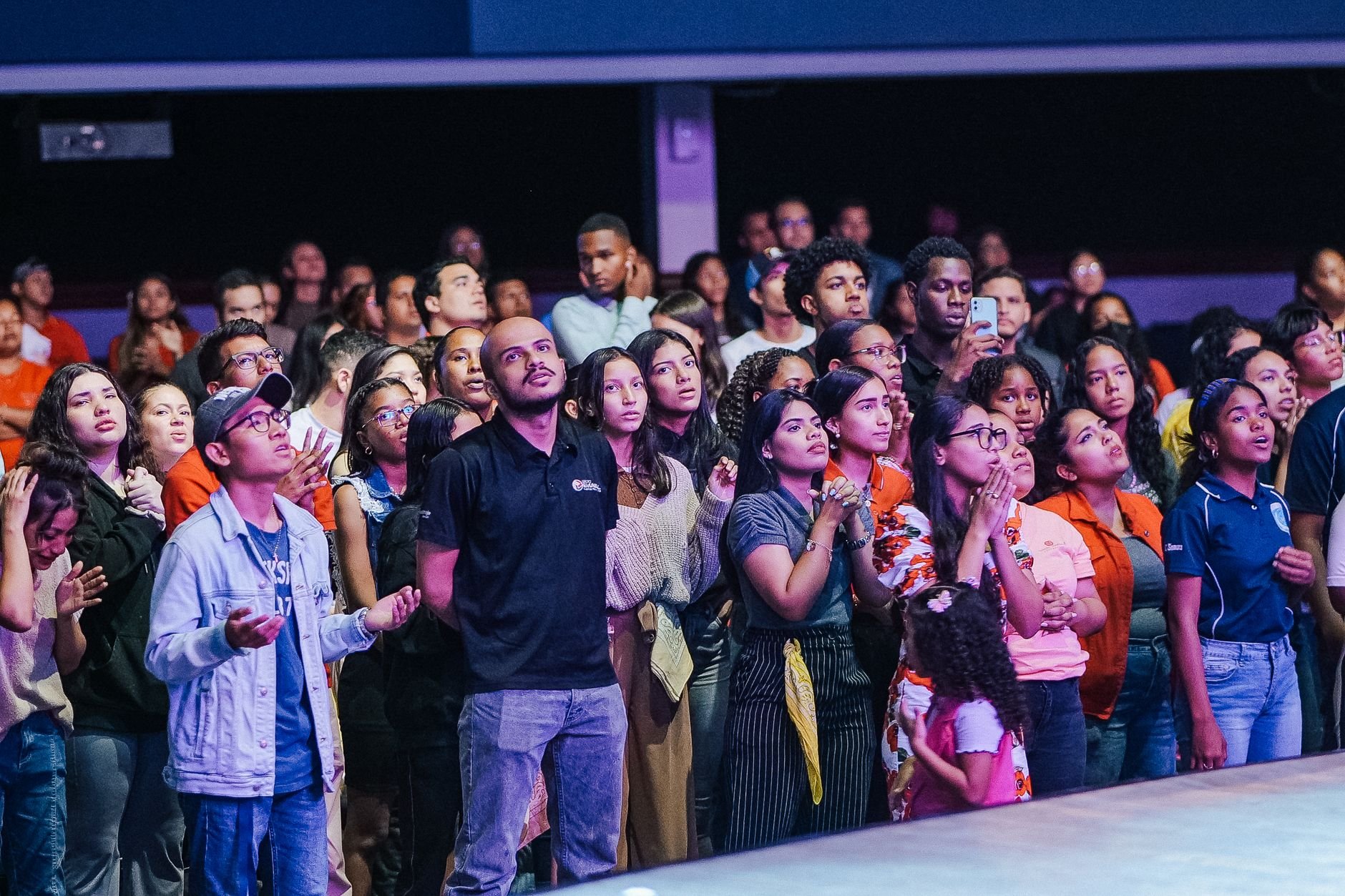
The Telos Morning Briefing delivers curated headlines, theological analysis, and policy updates across progressive Christianity, LGBTQIA+ faith, and social justice — in 5 minutes, every day.

"The questions that matter most have always lived at the intersection of faith and justice."